
Building Resilience After Trauma: A Compassionate Path to Emotional Strength
Experiencing trauma can change how the world feels, how safe your body feels, and how you relate to yourself and others. Many women carry the impact of trauma quietly, moving through life while feeling on edge, emotionally numb, or disconnected. If you recognize yourself in this, it is important to know that your responses are not signs of weakness. They are signs of a nervous system that learned how to survive.
Building resilience after trauma is not about forcing yourself to be strong or moving on quickly. It is about learning how to feel safe again, both internally and externally, at your own pace.
This article offers a compassionate perspective on resilience and practical ways to support emotional healing.
What Resilience Really Means After Trauma
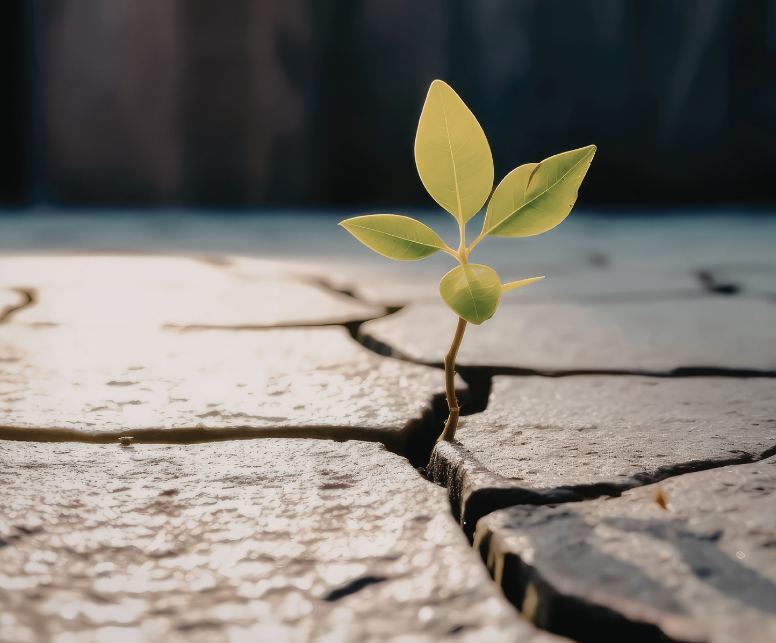
Resilience is often misunderstood as toughness or emotional endurance. After trauma, resilience looks very different. It is not about suppressing pain or pushing through discomfort. It is about developing the capacity to experience life with greater safety, flexibility, and self trust.
Resilience after trauma may include:
Being able to notice emotions without becoming overwhelmed
Responding to stress with more choice and less fear
Reconnecting with your body and internal signals
Allowing support without feeling weak or dependent
Resilience grows slowly. It is built through repeated experiences of safety and care.
How Trauma Affects the Nervous System
Trauma is not just something that happens in the mind. It lives in the nervous system. After a traumatic experience, the body may remain in a state of alert or shutdown, even when danger is no longer present.
Common trauma responses include:
Hypervigilance or feeling constantly on guard
Emotional numbness or disconnection
Difficulty sleeping or concentrating
Strong reactions to triggers that feel confusing or sudden
These responses are not flaws. They are protective adaptations. Understanding this helps shift self blame into self compassion.
Creating Safety as the Foundation of Healing
Healing from trauma begins with safety. Without a sense of safety, the nervous system cannot relax enough to process or integrate experiences.
Safety is both external and internal. External safety includes supportive relationships, predictable routines, and environments that feel calm. Internal safety involves learning to soothe the body and respond kindly to your emotional experience.
Gentle ways to build safety may include:
Establishing daily routines that create predictability
Practicing grounding techniques such as slow breathing
Spending time in environments that feel calm and supportive
Safety is not something you force. It is something you cultivate.
Reconnecting with the Body After Trauma
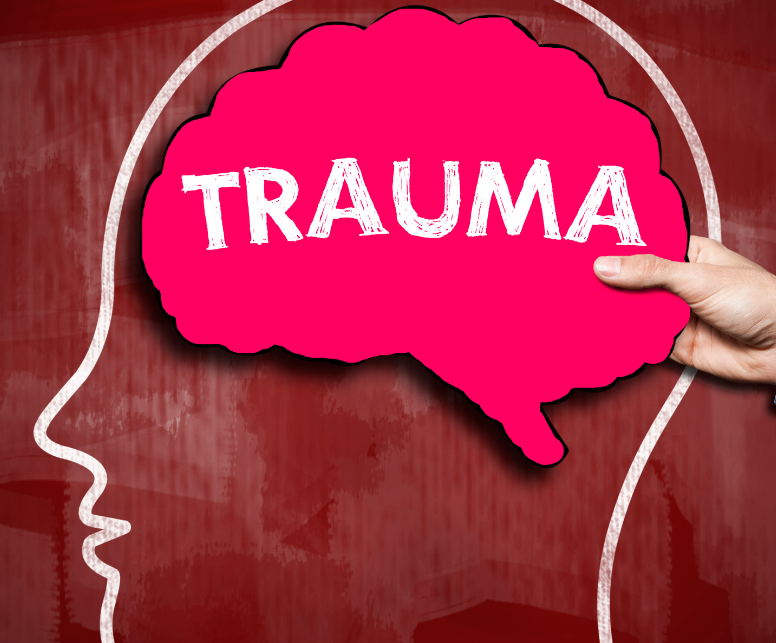
Many women feel disconnected from their bodies after trauma. This disconnection is often protective. The body learned to numb or distance itself from sensations that once felt overwhelming.
Rebuilding resilience involves slowly restoring body awareness in ways that feel manageable and respectful. This may include noticing physical sensations without interpreting them as danger.
You might begin by gently noticing simple sensations such as warmth, pressure, or movement. There is no need to push or relive anything. The goal is to rebuild trust with your body, not to overwhelm it.
Emotional Regulation as a Skill, Not a Personality Trait
After trauma, emotions can feel intense, unpredictable, or absent altogether. Emotional regulation is not about controlling emotions. It is about learning how to move through them with support.
Helpful emotional regulation practices may include:
Naming emotions without judgment
Using grounding strategies during emotional waves
Allowing emotions to pass without rushing to fix them
These skills develop over time. Struggling with emotions does not mean you are failing. It means your system is still learning what safety feels like.
Redefining Strength After Trauma
Many women believe strength means staying functional, calm, or unaffected. Trauma challenges this belief. True strength after trauma often looks quieter and more relational.
Strength may look like:
Setting boundaries to protect your energy
Asking for help when things feel heavy
Allowing rest without guilt
Honoring your limits rather than pushing past them
Resilience grows when strength is redefined as self respect rather than endurance.
The Role of Connection in Healing
Trauma often disrupts trust and connection. Healing rarely happens in isolation. Safe relationships help regulate the nervous system and restore a sense of belonging.
Connection does not require sharing every detail of your experience. It may simply involve being seen, believed, and supported.
Healthy connection includes:
Relationships that respect boundaries
Interactions that feel calm and validating
Spaces where emotions are welcomed rather than dismissed
Even one safe relationship can support significant healing.
Therapy as a Supportive Path to Resilience

Therapy can be a powerful support in building resilience after trauma. A trauma informed therapist understands that healing happens through safety, pacing, and collaboration.
In therapy, women often work on understanding their nervous system responses, developing grounding skills, and processing experiences in ways that feel manageable.
Therapy is not about reliving trauma. It is about helping your body and mind learn that the present moment can be safe.
Frequently Asked Questions
What does resilience look like after trauma?
Resilience after trauma looks like increased emotional flexibility, improved nervous system regulation, and a greater sense of safety within yourself. It does not mean the absence of distress.
Can you build resilience without reliving trauma?
Yes. Healing does not require reliving traumatic experiences. Many trauma informed approaches focus on stabilization, safety, and present moment awareness.
Why do I still feel affected by trauma years later?
Trauma responses live in the nervous system. Without adequate support and safety, these responses can remain active long after the event has passed. This does not mean you are broken.
How long does it take to heal from trauma?
There is no fixed timeline. Healing is individual and often non linear. Progress may appear as improved regulation, reduced reactivity, and increased self compassion.
Can therapy really help with trauma recovery?
Yes. Trauma informed therapy provides a safe space to build skills, process experiences at your pace, and restore a sense of agency and connection.
A Final Word of Compassion
Building resilience after trauma is not about becoming who you were before. It is about honoring who you are now and supporting your system with patience and care.
Your responses make sense. Your healing is possible. And you deserve support every step of the way.